

EFCC Records 52 Illegal Mining Cases, Secures Forfeiture of 102 Tonnes of Solid Minerals – Olukoyede
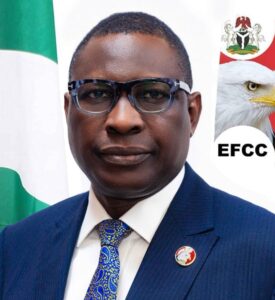
The Economic and Financial Crimes Commission (EFCC) has recorded 52 illegal-mining cases and secured the forfeiture of 102 tonnes of solid minerals as part of its efforts to combat mineral resource theft in Nigeria.

The EFCC Executive Chairman, Ola Olukoyede, disclosed this on Tuesday, November 3, 2026, during a joint conference on Illegal Mining, Corruption and Climate Implications organised by the Michael Imoudu National Institute for Labour Studies (MINILS), Ilorin, in collaboration with the Human and Environmental Development Agenda (HEDA).
Olukoyede, who delivered the keynote address at the event in Ilorin, Kwara State, said the cases were recorded between October 2023 and July 2026 through the Commission’s specialised enforcement activities.

He warned that the EFCC would intensify its crackdown on illegal mining by targeting not only those operating mining sites but also the financiers, mineral buyers, corrupt public officials and other individuals benefiting from the illicit trade.
According to him, the Commission is determined to dismantle the financial networks behind illegal mining by tracing proceeds, investigating facilitators and prosecuting offenders.
Speaking on the theme, “Uprooting the Roots of Resource Theft: A Zero-Tolerance Approach to Mining Corruption and Increasing Insecurity in Nigeria,” the EFCC boss said Nigeria’s vast mineral resources had remained largely underexploited due to corruption, illegal mining and insecurity.
He identified gold, lithium, tin, lead and zinc as some of the country’s valuable mineral deposits, noting that criminal exploitation had continued to deprive the nation of the benefits of its natural resources.
Olukoyede explained that illegal mining was a well-organised criminal enterprise involving local and international financiers, buyers, transporters, compromised public officials and other beneficiaries.
“A serious enforcement strategy must move from the pit to the purse,” he said.
He maintained that the EFCC would sustain its efforts to follow the money, identify those financing illegal mining operations and ensure that individuals involved in the criminal networks were brought to justice.
The EFCC Chairman further noted that illegal mining had wider security implications, as it could encourage extortion, smuggling, violence and other criminal activities in affected communities.
He therefore called for stronger cooperation among regulatory agencies, law enforcement institutions, financial intelligence bodies, customs authorities, revenue agencies and host communities to improve intelligence gathering and coordinated enforcement.
He also appealed to labour unions, traditional rulers, civil society groups and the media to support initiatives promoting transparency, accountability and decent working conditions in the mining sector.
Earlier, MINILS Director-General, Comrade Issa Aremu, praised the EFCC for its contributions to tackling illegal activities and strengthening accountability under Olukoyede’s leadership.
The Chairman of HEDA Resource Centre, Olanrewaju Suraju, also described illegal mining, corruption and climate degradation as interconnected problems that required a collective response.
Suraju emphasised the importance of involving organised labour in Nigeria’s transition to clean energy, adding that workers must be adequately protected during the process.
He said the three-day conference was organised to strengthen labour leaders’ capacity in advocacy, skills development and collective bargaining, while promoting a joint action plan to monitor suspicious mining activities and advance a Green Accountability Campaign.
At the event, MINILS conferred a Fellowship Award on Olukoyede in recognition of his contributions to the fight against corruption and economic crimes.
