

NCS, TMPL Agree on Major B’Odogwu Upgrades After Three-Day Lisbon Workshop
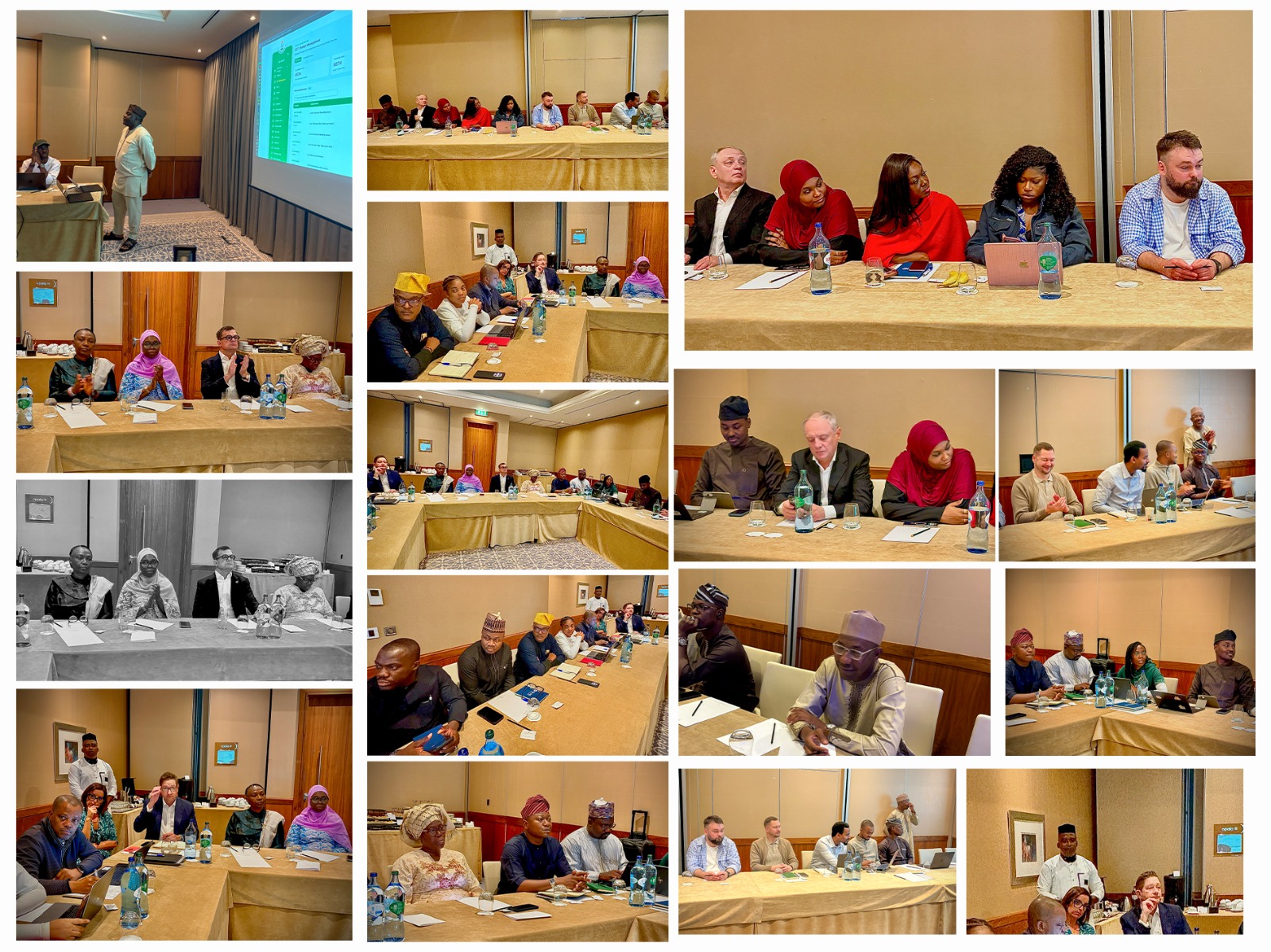
The Nigeria Customs Service (NCS) and its technology partners have agreed on a series of operational and technical improvements to the B’Odogwu Unified Customs Management System following a three-day review workshop in Lisbon, Portugal.
The meeting, which took place between November 9 and 11, 2026, at the Corinthia Hotel, focused on addressing implementation challenges, enhancing cargo tracking, facilitating international trade and optimising revenue collection.
The workshop attracted senior NCS officials, representatives of Trade Modernisation Project Limited (TMPL) and CB-XP, who assessed the system’s performance and mapped out strategies for its further development.
At the opening session, the Deputy Comptroller-General of Customs in charge of ICT Modernisation, Oluyomi Adebakin, acknowledged the support of the Comptroller-General of Customs, Adewale Adeniyi, for initiatives promoting technological innovation and professional capacity development.
The Managing Director of TMPL, Jummai Umar-Ajijola, representing the company’s Chairman, Saleh Ahmadu, said the B’Odogwu system was gaining recognition beyond Nigeria, disclosing that the African Continental Free Trade Area (AfCFTA) Secretariat had expressed interest in the platform.
According to her, improvements introduced to the system had contributed to increased revenue generation and enhanced the country’s revenue administration framework.
She emphasised the need for stakeholders to develop a clear roadmap that would sustain existing achievements and guide the next phase of the project’s implementation.
A major outcome of the workshop was the decision to strengthen the Electronic Cargo Tracking System (ECTS) through its integration with B’Odogwu and the replacement of 200 outdated electronic seals with 2,000 newly acquired units.

The resolutions also covered improved bond and transit management, automated approval of customs procedure codes and more efficient processing of import, export, re-importation and transit declarations.
To strengthen accountability, participants agreed to harmonise procedure code nomenclature and improve the monitoring of bonded cargo to prevent unauthorised diversion.
The meeting also identified the integration of B’Odogwu with the Nigeria Export Processing Zones Authority (NEPZA) as one of the areas requiring attention.
Other proposed improvements include upgrading the Transire Processing System, enhancing the reporting dashboard, refining search filters and improving the Harmonised System (HS) Code search function.
Participants further recommended better access to previously processed declarations, enhanced monitoring of procedure code applications and the introduction of automated alerts to minimise errors during customs processing.
The incorporation of Time Release Study requirements was also considered as part of efforts to improve cargo clearance efficiency.
In reviewing operational procedures, the workshop examined the Standard Operating Procedures for Bond Management, Transire Commands and Export Commands to ensure their alignment with the Nigeria Customs Service Act 2023.
It was also agreed that the Officer in Charge of the Project Management Office must review and approve every request for system modification before implementation. The project’s communication plan was equally reviewed to improve engagement with relevant stakeholders.
At the closing ceremony, the Deputy Comptroller of Customs in charge of Finance, Administration and Technical Services, Kikelomo Adeola, urged the relevant units to ensure that the resolutions were effectively implemented.
The ceremony featured a presentation by Customs Area Controller, Comptroller Murtala Mu’azu, while CB-XP Chairman, Edward Bowen, delivered goodwill remarks.
To ensure accountability and timely execution, specific responsibilities were assigned to relevant departments and units of the NCS and TMPL.
The resolutions are expected to strengthen the B’Odogwu platform, improve customs operations and support Nigeria’s broader trade modernisation objectives.
