

Oyedele, Cardoso Seek World Bank Support to Drive Nigeria’s Economic Growth
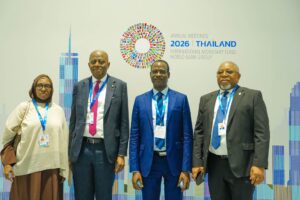
The Federal Government has intensified efforts to attract investment and accelerate economic growth following a meeting between the Minister of Finance, Taiwo Oyedele, Central Bank of Nigeria Governor Olayemi Cardoso, and World Bank Group President Ajay Banga.
The meeting took place on Monday in Bangkok, Thailand, during the 2026 IMF and World Bank Group Annual Meetings.
According to a statement from the Federal Ministry of Finance, the discussions focused on sustaining Nigeria’s economic reforms and moving from macroeconomic stability to faster growth, increased private-sector investment and improved domestic revenue mobilisation.
Banga praised Nigeria’s reform progress, pointing to the increase in private capital inflows from around $300 million in 2023 to nearly $6 billion in 2026, representing an approximately 20-fold rise.
Oyedele, who is leading Nigeria’s delegation at the meetings, also drew attention to the improvement in the country’s tax-to-GDP ratio, which increased from about seven per cent to 12.5 per cent over the same period.
The minister noted that stronger domestic revenue would expand the government’s capacity to fund public investments without relying on deficit monetisation.
The meeting also examined the potential of World Bank guarantee instruments to mobilise financing for infrastructure projects and encourage greater participation by private investors in Nigeria’s domestic market.
Power infrastructure and human capital development emerged as major priorities for public investment, with both considered essential to improving productivity, supporting businesses and creating employment opportunities.
The participants also highlighted the need for greater efficiency in public spending, stressing that government expenditure should produce clear and measurable benefits for the economy and society.
The Federal Ministry of Finance said the meeting forms part of the government’s broader engagement with development partners to sustain reform gains and attract additional investment.
The government’s next challenge is to ensure that improvements in economic fundamentals translate into productive economic activities, more jobs and better living standards for Nigerians.
