

Nigeria Hosts Over 142,000 Refugees From 42 Countries, Seeks More Global Support
The Federal Government has disclosed that Nigeria is hosting more than 142,000 refugees and asylum seekers from 42 countries, alongside over 6.7 million internally displaced persons.
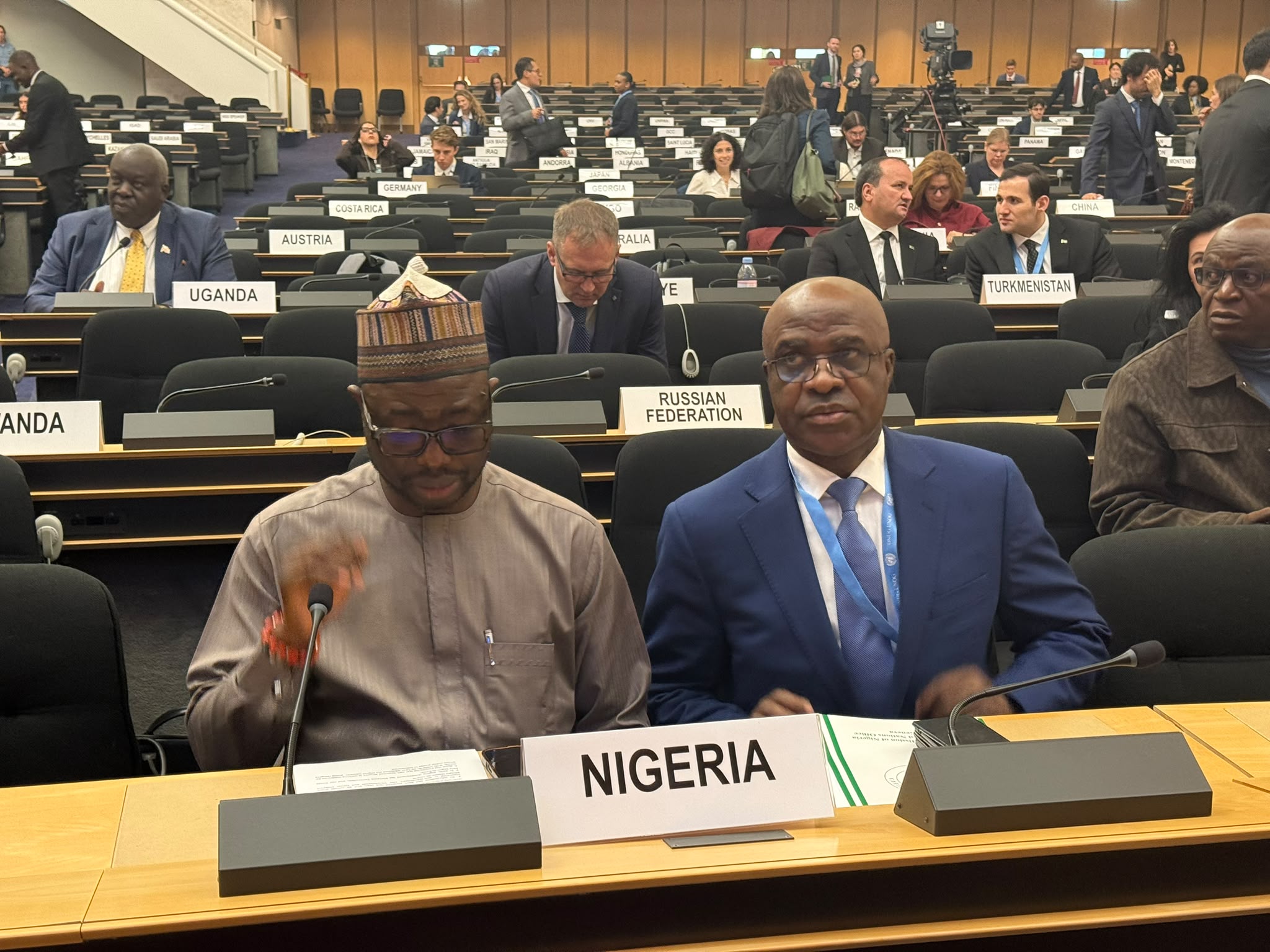
The Minister of Humanitarian Affairs and Poverty Reduction, Dr Bernard M. Doro, disclosed this while presenting Nigeria’s statement at the 77th Session of the Executive Committee of the United Nations High Commissioner for Refugees (UNHCR) in Geneva, Switzerland.
The session is taking place from October 12 to 16, 2026.
Doro reaffirmed Nigeria’s commitment to refugee protection and the principle of non-refoulement, while urging the international community to provide greater assistance to countries bearing the responsibility of hosting displaced populations.
He said Nigeria continued to maintain a fair and efficient asylum system under the NCFRMI Act of 2022, ensuring that people fleeing persecution could seek protection in the country.
The minister stated that Nigeria had not recorded any case of refoulement this year and remained committed to fulfilling its pledges on statelessness and the Global Compact.
He also announced that the country domesticated the Kampala Convention in 2026, with states beginning to follow suit.
Addressing the challenges confronting refugees and displaced persons worldwide, Doro said the 1951 Refugee Convention remained essential 75 years after its adoption, particularly amid increasing displacement and declining humanitarian funding.
He congratulated the new UN High Commissioner for Refugees, Dr Barham Salih, on his appointment and pledged Nigeria’s continued cooperation with the agency. He also commended former High Commissioner Filippo Grandi for his 10 years of service.
On the return of displaced Nigerians, Doro said improved security conditions were creating opportunities for voluntary repatriation.
According to him, more than 7,000 Nigerian refugees returned voluntarily this year under tripartite agreements, while another 14,000 Nigerians in Cameroon had registered to return home. He added that an agreement for the return of 2,000 Nigerians from Niger was being finalised.
He thanked Cameroon, Chad and Niger for their hospitality towards Nigerian refugees.
The minister further disclosed that resettlement cities had been established in seven locations for internally displaced persons, supporting the gradual closure of camps in a manner that guarantees safety and dignity.
He said the government was also working with UNHCR to advance the Digital Gateway initiative, which provides refugees with secure online access to information.
On economic empowerment, Doro noted that former Liberian and Sierra Leonean refugees had integrated into Nigerian communities, with some now operating businesses.
He explained that refugees in five states were benefiting from land allocations, farm inputs and skills training, while NCFRMI’s new Public-Private Partnership Department was working to reduce dependence on humanitarian aid.
The minister called on other countries to recognise Nigeria’s Convention Travel Documents and make visa access easier for their holders.
He added that the government was integrating displaced persons and host communities into the national identity system to improve access to banking, education and other social services.
According to him, refugees are also being incorporated into state action plans and social registers, while 10 mobile documentation buses will soon be deployed to reach people in remote areas.
Doro said Nigeria reaffirmed its five pledges made in 2023 in December 2025, but emphasised the need for increased international cooperation.
“No host country can do this alone,” he said, calling for greater burden-sharing through expanded refugee resettlement programmes and complementary migration pathways.
He urged UNHCR to consider mobilising additional funding through regional financial institutions, particularly the African Development Bank and the ECOWAS Bank for Investment and Development.
The minister expressed gratitude to donors for their support despite the challenging funding environment, reaffirming Nigeria’s commitment to working with UNHCR to strengthen refugee protection and improve conditions for displaced populations.
